Long time no see! I had a really good vacation in a rural area of Japan.
Until the last post, I introduced four different developments made in human history – electricity, society, money, and number. For the next topic, I have chosen language, which is a tool we inevitably use in our daily life.
Please imagine how you usually tell others what you want them to do. You may say something verbally, you may leave some comments on a sheet of a paper, or you may just leave texts on your smartphone. Perhaps, some of you are proficient in using sign languages and tactile languages. Humans have developed several ways to manipulate languages for fluent communications.
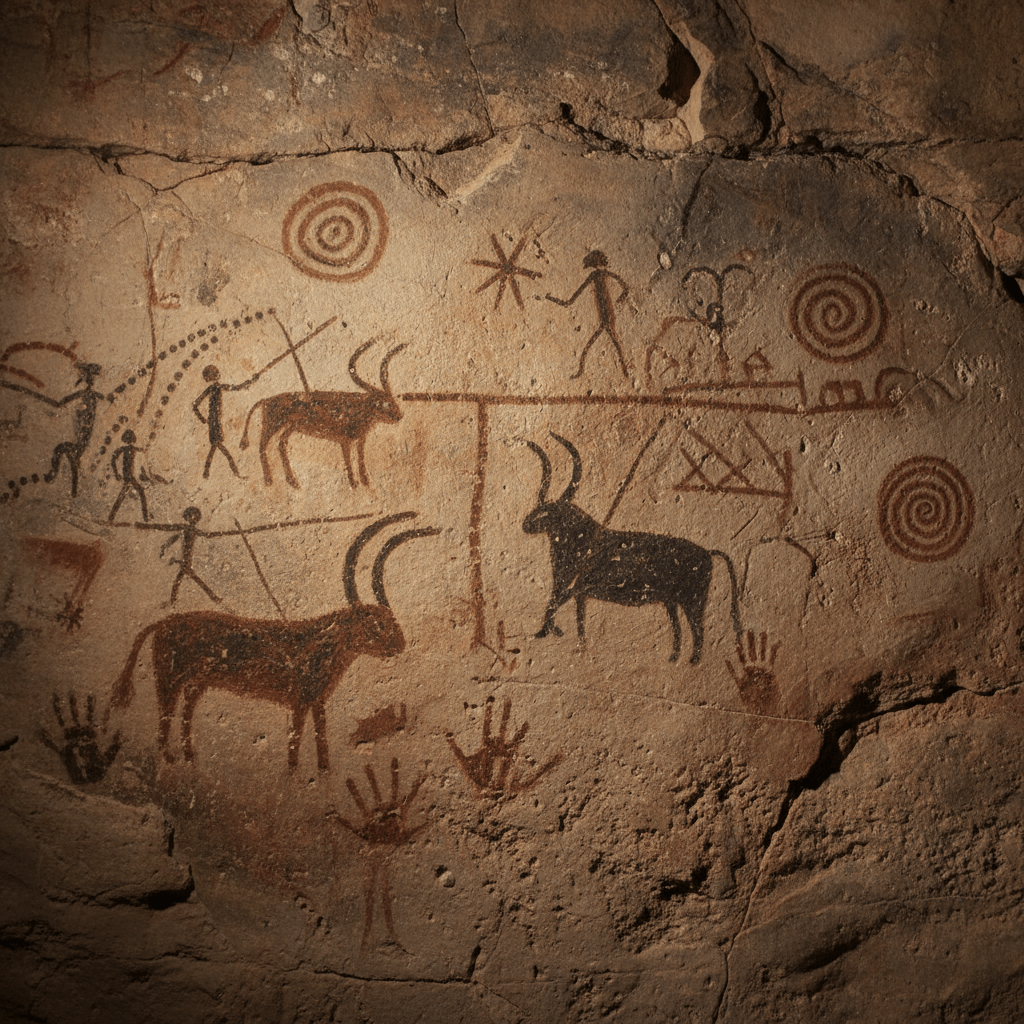
In the human history, the primary way of communication was only vocal one. Whenever people wanted to leave messages, it was required to find other person to keep the message alive among the society. That was how old methodologies were passed generations around the world. However, in some regions, such as Sumer and Egypt, some messages started left written on walls – it was actually 5000 years ago. It can be predicted that written pictures on walls helped people remember places where sufficient food and water could be found and where dangers might be hidden. It should contributed humans to use their brain for other purposes than merely storing memories, leading to developments of advanced technologies.
One of the most oldest characters used in human history is said to be Chinese. They had a dominant power over Eastern Asia for over thousands years, leaving the country to hold one of the most richest history around the world. One interesting fact related to language and history of China is that they had their own religion – called ju-kyo. The presence of religion potentially plays a crucial role in the development of written languages, because it is easier for missionaries to spread the beliefs to wide range of people using papers rather than spoken languages. As papers can be read repeatedly, people are enabled to understand the beliefs without the presence of missionaries. However, it is important that at least one person in a region to be able to read letters, so education of letters became gradually wide spread as religious beliefs became dominant around the country.
I’ll continue writing about language next day. Thank you for reading today’s piece of writing, and I hope I will see you in the next post. Please feel free to leave comments!
Chao!
 Serendipity Daily Thoughts
Leave a comment