I had written about significant developments made in human history until the last time. Since I will not be able to regularly post my writing on from this week, I would like to write a different topic each week.
For this week, I would like to introduce my thoughts on sightseeing in Japan these days. I actually went to Kamakura last week, and I had a weird feeling while visiting the place, so I would like to share it first.
Before talking of my feeling, let me introduce Kamakura. Kamakura is one of the most popular Japanese sightseeing places, where old temples and shrines from 13th and 14th centuries are preserved with a huge nature. Although it is only 45 minutes away from the center of Tokyo city, people easily forget the noise of cities, immersing themselves in a old habit. Therefore, the place has attracted more and more tourists regardless of their nationalities over years, causing a problem of “over-tourism”, because the local train is always crowded with people and substantial amount of trash can be found on roads all over the place.
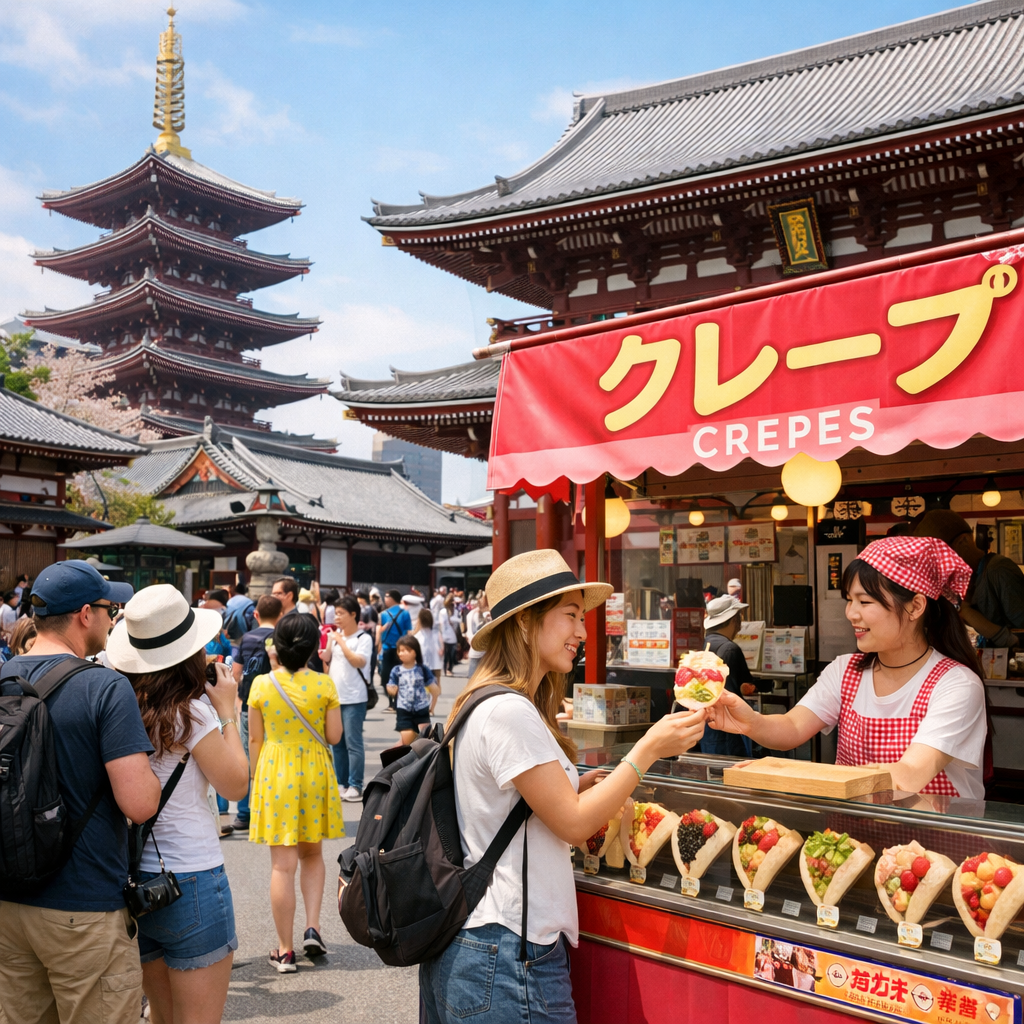
When I first visited Kamakura, it deceived my expectation in both positive and negative ways. The air I breathed in and felt there was one with calm and easing sense, which I definitely enjoyed. However, shops and advertisements I encountered while I was walking along the main street struck me, because more than half of the retailers and restaurants were not relevant to Kamakura: they were selling goods and services which followed the latest trends. Frequently, I found people holding curry bread, croquette, and crepe, which seem to be convenient for tourists to eat with one hand while they were walking. Additionally, one of the most famous souvenirs in Kamakura is called “Hato-sable”, meaning “pigeon cookie”, even though the most popular shrine in the region is related to crane. I understand there is a mythology in Kamakura, where pigeons used to carry letters as well as victories for warriors, but I still do not get why pigeons are sold in the form of sable in Kamakura.
Despite its long history with Buddhism and Japanese cuisines in Kamakura, there are only buildings, structures, and a few sweets shops left for the representation of the past. I assume that there was old tradition remained till recently, but the growth of popularity of tourism led the place to adjust its atmosphere to the latest trends so that they can get the most out of such the tourism wave. The location of Kamakura may have played a significant role too, because many visitors potentially come from Tokyo region. Therefore, shops like crepe and croquette possibly attract young generations to hang around Kamakura.
It is difficult for the locals to decide what to prioritize, because increasing sales comes with shredding the tradition in Kamakura. Therefore, I would like to observe the tourism trend in Kamakura through out the future.
Thank you for reading this week’s post. Please visit another piece of writing next week!!
Please feel free to leave any comments too.
See you!
 Serendipity Daily Thoughts
Leave a comment